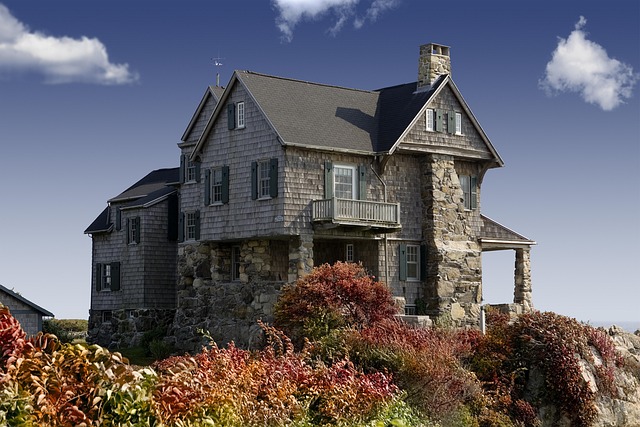
住宅ローン購入タイミングの判断基準を解説
- 金利動向:変動金利型の基準となる政策金利は約1%まで上昇(2026年6月時点)。固定金利型も上昇基調。最新の適用金利は各金融機関の公式サイトで確認を
- 物件価格動向:首都圏のマンションは高値圏で推移する一方、地方には下落傾向のエリアもある
- シミュレーション必須:借入3,500万円・35年なら金利が年1.0%→年2.0%で月返済額は約17.4%増(98,800円→115,942円)。繰り上げ返済・借り換えの検討が重要
- 公的支援活用:【フラット35】の最も多い金利は年3.290%(2026年8月・借入期間21年以上35年以下/融資率9割以下)。すまい給付金は令和6年3月で申請受付終了、現在の支援の柱は住宅ローン控除
- ライフステージ別戦略:20代は返済負担軽減、30代は安定収入活用、40代は退職時完済重視
※本記事にはプロモーションを含む場合があります。
【開示情報】このサイトはAmazonアソシエイト・プログラム等のアフィリエイトプログラムに参加しており、記事内の商品リンクから購入いただいた場合、売上の一部が当サイトに還元されます。
金利動向の現状と将来予測
2024年3月の日本銀行によるマイナス金利政策解除以降、住宅ローン金利は上昇傾向が続いています。住宅金融支援機構によると、変動金利型の金利に影響する政策金利は4回の追加利上げを経て約1%まで上昇しました(2026年6月時点)。全期間固定金利型の基準となる長期金利(10年物国債の利回り)も2023年頃から上昇しています。
公表されている一次情報をもとに、現在の水準と先行きの見通しを整理すると以下のとおりです(実際の適用金利は金融機関ごとに異なります)。
| 指標 | 現在の水準 | 先行きの見通し |
|---|---|---|
| 政策金利(変動金利型の基準) | 約1%(2026年6月時点) | 2027年6月末までに約1.6%まで上昇との予測(ESPフォーキャスト調査2026年6月・中央値) |
| 長期金利(全期間固定金利型の基準) | 2023年頃から上昇基調 | 2026年度平均2.64%程度・2027年度平均2.75%程度と予測 |
| フラット35(借入期間21年以上35年以下・融資率9割以下) | 年3.290%〜年5.570%(最も多い金利は年3.290%/2026年8月) | 長期金利の動きに連動しやすい |
出典:住宅金融支援機構「最新の金利情報:長期固定住宅ローン【フラット35】」(2026年8月)、同「“金利のある世界”でどう変わる?」(2026年6月時点)。2026年8月25日確認。
変動金利を選択する場合は、金利上昇リスクを考慮した返済計画が不可欠です。 変動金利型・全期間固定金利型のいずれも上昇が見込まれており、固定金利型は将来の物価上昇率や経済成長が反映されやすいため、変動金利型に先行して上昇する傾向があります。長期的な返済計画を立てる際は、金利が上がっても返済を続けられるかを必ず確認しましょう。
具体的な金利シミュレーション
金利水準ごとに毎月の返済額がどれだけ変わるかを比較します。いずれも元利均等返済・返済期間35年・ボーナス払いなしで算出した概算で、金額は「借入額」に対するものです(頭金は借入額に含みません)。年3.29%は2026年8月の【フラット35】で最も多い金利、年1.0%・年2.0%は比較用の金利水準です。
| 借入額(35年・元利均等返済) | 金利 年1.0% | 金利 年2.0% | 金利 年3.29% |
|---|---|---|---|
| 3,000万円 | 月84,686円 | 月99,379円 | 月120,365円 |
| 3,500万円 | 月98,800円 | 月115,942円 | 月140,426円 |
| 4,000万円 | 月112,914円 | 月132,505円 | 月160,486円 |
総返済額でみると、借入3,500万円・35年のケースは金利年1.0%で約4,150万円(利息約650万円)、年2.0%で約4,870万円(利息約1,370万円)、年3.29%で約5,898万円(利息約2,398万円)となります。金利が1ポイント違うだけで、35年間の利息は700万円以上変わります。
金利上昇リスクを考慮したシミュレーション
借入3,500万円・35年で金利が年1.0%から年2.0%へ1ポイント上昇すると、月返済額は98,800円から115,942円へ約17.4%(月17,142円)増加し、総返済額は約720万円増えます。年3.0%まで2ポイント上昇した場合の月返済額は134,698円で、約36.3%の増加です。全期間固定金利型を選択すれば、借入後に市場金利が上がっても返済額は変わりません。
物件価格の動向と購入タイミング
首都圏のマンション価格は近年上昇が続き、高値圏で推移しています。特に、駅近物件やタワーマンションは価格が下がりにくい傾向にあります。
一方で、地方都市圏では価格が下落傾向にあるエリアも存在します。需要が伸び悩むエリアでは、価格が前年を下回ることもあります。価格下落を待つリスクも考慮する必要があります。
価格下落を待つ間のコスト
物件価格が下がるのを待つ間にも、家賃を支払い続けるコストが発生します。たとえば、5年間家賃8万円の物件に住み続けたとすると、総家賃コストは480万円になります。この間に物件価格が10%下落したとしても、480万円の家賃コストと比較すると、必ずしも有利とは言えません。
価格動向の不確実性
価格がいつ下がるかは誰にも予測できません。2026年以降も金利上昇や景気動向によって価格が上昇する可能性もあります。そのため、ライフステージや家計状況に応じて、購入タイミングを検討することが重要です。
ライフステージ別の購入戦略
20代〜30代前半:返済負担を軽減するタイミング
20代〜30代前半は、返済期間を長く取れるため、月々の返済額を抑えやすい時期です。たとえば借入3,000万円を金利年1.0%・35年返済(元利均等)で借りた場合、月返済額は約84,700円になります。金利が年2.0%なら約99,400円と、同じ借入額でも月1万円以上変わります。
将来の不確実性への備え
- 繰り上げ返済や貯蓄計画を立てておく
- 金利上昇リスクを考慮した返済計画を検討
- 公的支援制度(住宅ローン控除・【フラット35】)の活用を検討
30代〜40代:安定収入を活かした長期計画
30代〜40代は、収入が安定し将来の見通しが立てやすい時期です。定年退職時に完済できる返済期間を設定することが重要です。たとえば借入4,000万円を金利年2.0%・25年返済(元利均等)で借りた場合、月返済額は約169,500円になります。返済期間を短くするほど利息は減りますが、毎月の負担は大きくなります。
退職時の収入と照らし合わせた計画
- 退職時の年金収入と返済計画を照らし合わせる
- 繰り上げ返済で完済時期を早める計画を立てる
- 変動金利を選択する場合は、金利上昇リスクに備える
40代〜50代:退職時完済を重視
40代〜50代は、退職時までに完済できる返済計画を立てることが重要です。たとえば借入3,000万円を金利年2.0%・15年返済(元利均等)で借りた場合、月返済額は約193,100円になります。返済期間が短い分、月々の負担はかなり重くなるため、頭金や退職金の活用も含めて検討しましょう。
退職後の収入変化への対応
- 繰り上げ返済で完済時期を早める
- 固定金利を選択し、金利変動リスクを回避
- 退職金や貯蓄を活用した返済計画を検討
審査に通るためのチェックリスト
住宅ローンの審査に通るためには、以下の条件を満たすことが重要です。金融機関によって基準は異なりますが、一般的な審査項目をまとめました。
- □ 年収要件:年収300万円以上(金融機関によっては400万円以上)。2025年12月現在、多くの金融機関が「年収300万円以上・勤続3年以上」を基準としています
- □ 返済負担率:年収に対する年間返済額の割合は30%以下が目安。多くの金融機関では35%前後を上限の目安としています
- □ 勤続年数:勤続3年以上が一般的な基準。転職直後や自営業の場合は審査が厳しくなります
- □ 信用情報:過去のローンやクレジットの延滞がないこと。信用情報機関(CIC・JICC)に登録された情報が審査対象です
- □ 頭金比率:頭金は物件価格の20%以上が望ましい。頭金が少ない場合は、保証料や金利が高くなる傾向があります
- □ 健康状態:団体信用生命保険(団信)の加入が条件となる金融機関が多い。持病がある場合は審査が厳しくなります
- □ 物件条件:耐震基準を満たす物件であること。中古物件の場合は、築年数やリノベーションの有無が審査対象です
審査に通るためのポイント
- 事前に信用情報を確認し、延滞がないことを確認
- 勤続年数が3年に満たない場合は、前職の収入も考慮してもらう
- 頭金を増やすことで、返済負担率を下げる
- 複数の金融機関に事前審査を依頼し、条件を比較
住宅ローンのリスクと注意点
金利上昇リスク
変動金利を選択した場合、金利上昇により月返済額が大幅に増加するリスクがあります。たとえば借入3,500万円・35年で金利が年1.0%から1ポイント上昇すると、月返済額は約17.4%(98,800円→115,942円)増えます。2ポイント上昇すれば約36.3%(134,698円)です。金利上昇が続くと、返済計画が破綻する可能性もあります。
金利上昇リスクへの対策
- 固定金利やフラット35を選択し、金利変動リスクを回避
- 繰り上げ返済で借入額を減らす
- 金利上昇に備えた貯蓄計画を立てる
- 借り換えのタイミングを検討
ローン破綻リスク
住宅ローンの返済が困難になった場合、ローン破綻リスクが発生します。住宅ローンの延滞は稀ではありますが、失業や病気などのリスクを考慮すると、返済計画の見直しが必要です。
ローン破綻リスクへの対策
- 団体信用生命保険(団信)に加入し、万が一の場合に備える
- 失業保険や傷病手当金などの公的支援制度を活用
- 貯蓄を確保し、緊急時の資金として活用
- 返済計画を見直し、無理のない返済額に調整
物件価格下落リスク
物件価格が下落すると、売却時に損失が発生するリスクがあります。特に、首都圏のマンションは高値圏で推移していますが、地方都市圏では価格下落が見られます。価格下落リスクを考慮した購入計画を立てましょう。
物件価格下落リスクへの対策
- 駅近物件やタワーマンションなど、価格下落リスクが低い物件を選択
- 頭金を増やし、借入額を減らす
- 賃貸との比較検討を行い、購入のメリットを再確認
- 売却時のシミュレーションを行い、損失リスクを把握
公的支援制度の活用方法
フラット35のメリットとデメリット
【フラット35】は、全期間固定金利で、借入後の金利変動リスクを回避できる住宅ローンです。2026年8月時点の借入金利は年3.290%〜年5.570%(借入期間21年以上35年以下・融資率9割以下)で、最も多い金利は年3.290%。新機構団体信用生命保険(団信)付きの金利です。
フラット35のメリット
- 金利変動リスクを回避できる
- 団体信用生命保険(団信)が付帯されている
- 頭金が少なくても借り入れが可能(最低10%)
- 繰り上げ返済手数料が無料
フラット35のデメリット
- 変動金利と比較して金利が高い
- 融資手数料がかかる(借入額の1.04%〜1.95%)
- 物件条件が厳しい(耐震基準・床面積など)
すまい給付金は終了。現在の柱は住宅ローン控除
すまい給付金は、国土交通省の案内のとおり令和6年(2024年)3月で申請受付が終了しています。現在これから住宅を取得する方が使える支援の柱は、住宅ローン控除(住宅借入金等特別控除)です。
住宅ローン控除の概要(令和8年〈2026年〉入居分)
- 控除率:年末ローン残高 × 0.7%
- 控除期間:13年間(既存住宅の「その他の住宅」のみ10年)
- 適用期限:令和8年1月1日〜令和12年12月31日入居分(令和8年度税制改正で5年延長)
- 所得要件:合計所得金額2,000万円以下
- 床面積要件:50㎡以上(合計所得金額1,000万円以下なら40㎡以上も可。子育て世帯等への上乗せ措置とは選択適用)
借入限度額は住宅の省エネ性能で決まります(令和8年入居分)。 新築・買取再販の認定長期優良住宅/認定低炭素住宅は4,500万円(子育て世帯・若者夫婦世帯は5,000万円)、ZEH水準省エネ住宅は3,500万円(同4,500万円)、省エネ基準適合住宅は2,000万円(同3,000万円)です。省エネ基準を満たさない「その他の住宅」は、新築では控除の対象外となります。
出典:財務省「令和8年度税制改正」パンフレット、国土交通省「住宅ローン減税等の延長・拡充が閣議決定されました!」、国土交通省「すまい給付金について」。2026年8月25日確認。
住宅ローン選びのステップ
- ライフプランの見直し
- ライフステージ(子供の教育・退職時の収入など)を考慮した返済計画を立てる
- 家計の収支をシミュレーションし、無理のない返済額を算出
- 金利タイプの選択
- 変動金利:金利変動リスクを受け入れられる場合に選択
- 固定金利:金利変動リスクを回避したい場合に選択
- フラット35:全期間固定金利で安定した返済を希望する場合に選択
- 金融機関の比較
- 複数の金融機関に事前審査を依頼し、金利・手数料・保証料を比較
- 店舗型とネット銀行の違いを考慮(ネット銀行は金利が低い傾向)
- 物件の選定
- 駅近・利便性・価格動向を考慮した物件選び
- 中古物件の場合は、リノベーション費用も含めた総コストを算出
- 審査の申込み
- 必要書類をそろえ、金融機関に審査を申込む
- 審査結果を待ち、承認後に契約手続きを進める
- 契約と引き渡し
- 金融機関との契約手続きを行う
- 物件の引き渡しを受け、住宅ローンの実行
よくある質問
Q. 変動金利と固定金利はどちらがお得ですか?
変動金利は金利が低い傾向にありますが、金利上昇リスクがあります。固定金利は金利が高い傾向にありますが、金利変動リスクを回避できます。
具体的な試算では、借入3,500万円・35年・元利均等返済の場合、金利年1.0%なら月返済額98,800円、年2.0%なら115,942円、年3.29%なら140,426円です。変動金利は借入時点では低くても、返済期間中に上がれば負担が増えます。金利上昇リスクを避けたい場合は、全期間固定金利型のほうが返済計画を立てやすくなります。
Q. 住宅ローンの審査に落ちる主な理由は何ですか?
主な審査落ちの理由は以下の通りです。
- 年収要件を満たしていない(年収300万円未満)
- 返済負担率が高い(年収に対する年間返済額が35%超)
- 勤続年数が短い(3年未満)
- 信用情報に延滞や事故情報がある
- 頭金が少ない(20%未満)
Q. フラット35と民間ローンの違いは何ですか?
フラット35は全期間固定金利で、金利変動リスクを回避できます。民間ローンは変動金利と固定金利を選択できますが、金利変動リスクがあります。
フラット35のメリットは、団体信用生命保険(団信)が付帯されていること、繰り上げ返済手数料が無料であることです。デメリットは、金利が高いこと、融資手数料がかかることです。
Q. 住宅ローンの借り換えはいつ行うべきですか?
借り換えのタイミングは、金利差が1.0%以上ある場合が目安です。 たとえば、現在の金利が1.5%で、新たな金融機関の金利が0.5%の場合、借り換えによるメリットが大きくなります。
借り換えにかかる費用(手数料・保証料・登記費用)を考慮し、総返済額が減少するかシミュレーションしましょう。
Q. 住宅ローン控除はどのように活用すればいいですか?
住宅ローン控除は、年末時点のローン残高の0.7%が所得税等から控除される制度です(令和8年〈2026年〉入居分)。 かつての「残高の1%・最大40万円」は2021年(令和3年)以前に入居した場合の旧制度で、現在は適用されません。
年間の控除額の上限は「借入限度額 × 0.7%」で決まり、借入限度額は住宅の省エネ性能によって次のように分かれます(新築・買取再販/令和8年入居分)。
- 認定長期優良住宅・認定低炭素住宅:4,500万円(年31.5万円)/子育て世帯・若者夫婦世帯は5,000万円(年35万円)
- ZEH水準省エネ住宅:3,500万円(年24.5万円)/子育て世帯等は4,500万円(年31.5万円)
- 省エネ基準適合住宅:2,000万円(年14万円)/子育て世帯等は3,000万円(年21万円)
- その他の住宅(省エネ基準を満たさない住宅):新築は控除の対象外
主な適用条件は、床面積50㎡以上(合計所得金額1,000万円以下なら40㎡以上も可)、合計所得金額2,000万円以下、返済期間10年以上、取得の日から6か月以内の入居です。1年目は確定申告が必要で、会社員は2年目以降、年末調整で手続きできます。
出典:国税庁「No.1211-1 住宅の新築等をし、令和4年以降に居住の用に供した場合(住宅借入金等特別控除)」、財務省「令和8年度税制改正」パンフレット。2026年8月25日確認。
Q. 繰り上げ返済はどのように行うべきですか?
繰り上げ返済は、返済計画を見直し、無理のない範囲で行いましょう。 繰り上げ返済には、期間短縮型と返済額軽減型の2種類があります。
- 期間短縮型:返済期間を短縮し、総返済額を減少させる
- 返済額軽減型:月々の返済額を減少させ、家計の負担を軽減する
繰り上げ返済にかかる手数料(ネット銀行は無料の場合が多い)を考慮し、メリットが大きい方法を選択しましょう。
Q. 住宅ローンの金利は今後どうなると予想されていますか?
金利の先行きを断定することはできませんが、変動金利には上昇余地がある点を踏まえた返済計画が必要です。
変動金利は0.6%前後に上昇し、固定金利は2.3%前後で安定すると予想されています。そのため、変動金利を選択する場合は、金利上昇リスクを考慮した返済計画が不可欠です。
まとめと次のアクション
住宅ローンの購入タイミングは、金利動向・物件価格・ライフステージの3要素で判断することが重要です。 2026年の金利上昇傾向や首都圏の高値圏を考慮すると、無理のない返済計画を立てることが求められます。
次のアクション
- 事前審査を複数の金融機関に依頼し、条件を比較
- ライフプランを見直し、無理のない返済計画を立てる
- 公的支援制度(住宅ローン控除・【フラット35】)の活用を検討
- 物件の選定と購入計画を具体化
本記事は情報提供を目的としており、金融アドバイスではありません。
住宅購入・住み替えの前に。火災保険を無料で一括比較しよう
もし、今の漠然とした不安が『何を確認すればいいか分かる状態』に変わったら——住まいやお金の専門家への相談・比較検討は、その一歩になり得る選択肢です。まずは下記から詳細をご確認ください。
セブンプレミアムカフェラテを一つ全員にプレゼント!火災保険のお見積もりはこちら【インズウェブ】

家づくりの不安を解決!住宅購入相談サービスで安心サポート【家づくり相談所】

家を売っても、引っ越し不要!★査定無料★総合マネージメントサービスのリースバック


家づくりの不安を解決!住宅購入相談サービスで安心サポート【家づくり相談所】
本記事はすまいマネーラボ編集部が国土交通省・金融庁・各金融機関の一次情報をもとに作成しています。 住宅ローン・不動産に関する最終判断は金融機関・専門家にご相談ください。 情報の正確性には万全を期していますが、最新情報は各公式サイトをご確認ください。

すまいマネーラボ編集担当。住まいと住宅ローン・お金に関する情報を、公的機関や金融機関の公開情報をもとに整理してお届けしています。